Vegan Meal Prep for Beginners
By The Plated Plants Team · · 3 min readUpdated
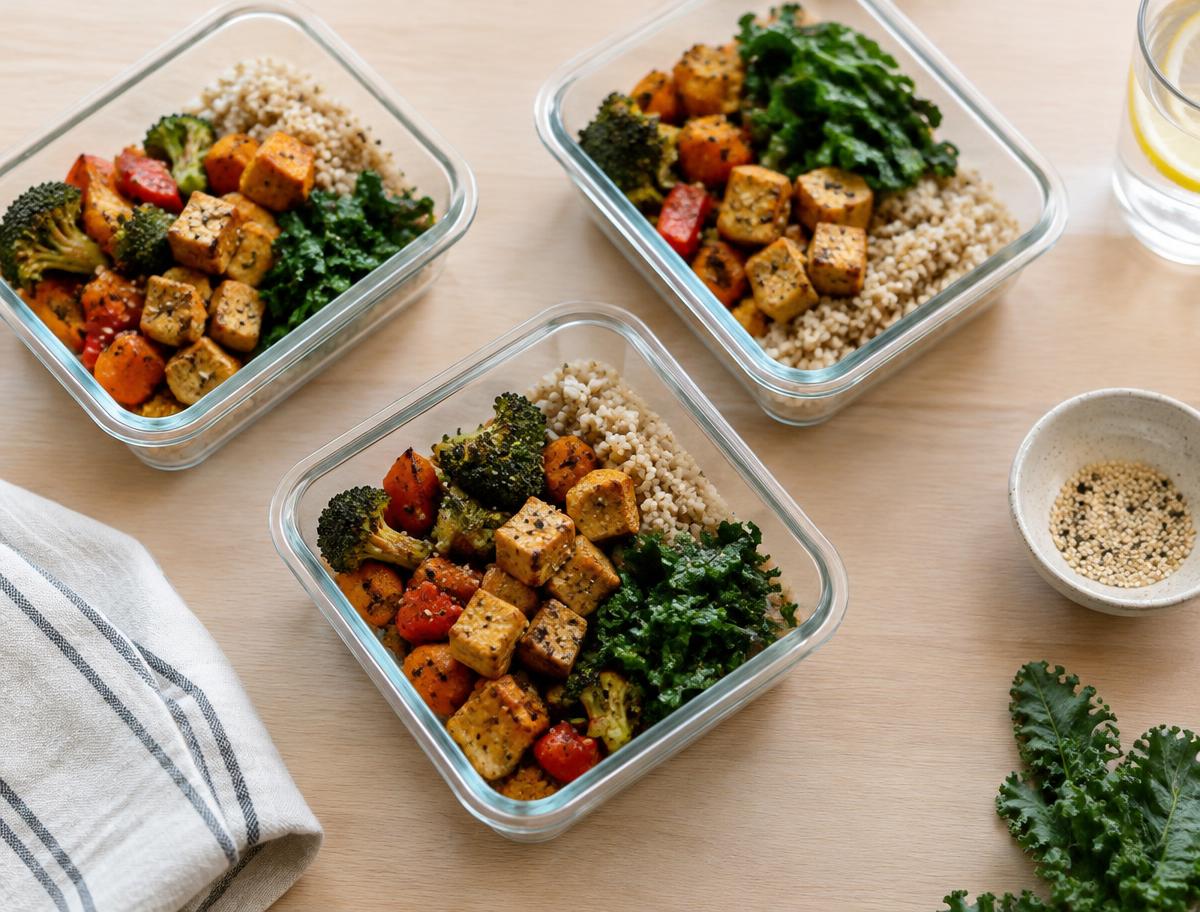
Meal prep doesn't have to mean thirty identical containers. Start by prepping components — a grain, a protein, a roasted vegetable and a sauce — and mix them throughout the week.
Prep components, not meals
Components stay fresher and give you variety. Combine them differently each day: bowls, wraps, salads or stir-fries.
A one-hour plan
- Start rice or quinoa
- Roast a tray of vegetables
- Bake or pan-fry tofu
- Blend a sauce while everything cooks
- Cool and portion into containers
Storage basics
- Most cooked components keep 3–4 days refrigerated
- Store sauces separately to avoid soggy meals
- Freeze soups, chili and curry for longer storage
Use the hour as a flexible sequence
The one-hour outline is an estimate, not a guarantee: oven heat-up, grain choice and chopping speed change the timing. Read package directions, clear a work surface and start the longest-cooking item first. While it cooks, prepare a second component instead of trying to complete one entire meal before the next.
If the session feels crowded, cut it in half. Prepare a grain and a sauce today, then cook tofu and vegetables tomorrow. Successful prep is work that helps your week, not a row of identical containers. A small repeatable routine is easier to maintain than a large weekend project.
Mix three components into different meals
Rice, tofu and roasted carrots can become a warm bowl with peanut sauce or a wrap with shredded cabbage. Cooked lentils can become lemon salad or a tomato pasta sauce. Changing one element is often enough to make leftovers feel different without a second long ingredient list.
Keep crisp vegetables and dressings separate until serving where practical. If a component is intended for later in the week, freeze it while it is still suitable rather than waiting until you are unsure. Choose foods that freeze well for your tastes, and remember that texture can change after thawing.
Cool, label and store without leaving food out
Cooked rice, beans and tofu need safe handling even though they are plant-based. Divide large batches into shallow containers and refrigerate promptly. USDA guidance says within two hours, or within one hour if the temperature is above 90°F/32°C. Do not leave a large pot on the counter all evening waiting for it to cool completely.
Label containers with the food and preparation date. Use a conservative three-to-four-day refrigerator plan for many cooked leftovers, follow any shorter package directions, and freeze the rest. Keep chilled food cold during travel with an insulated bag and cold packs. Smell is not a reliable way to judge food that has been left warm too long.
Make your freezer part of the plan
Canada’s Food Guide includes freezing tofu as a way to change its texture; after thawing and pressing, it may absorb sauces differently and feel firmer or spongier. Try a small amount first because the texture is not everyone’s preference. Follow safe thawing practices and package instructions.
Freeze portions you can actually use in one meal rather than a huge block that needs thawing all at once. Leave room for expansion in suitable containers and keep a short freezer inventory. A backup curry or portion of cooked lentils can help on a day when fresh cooking is not realistic.
You might also like
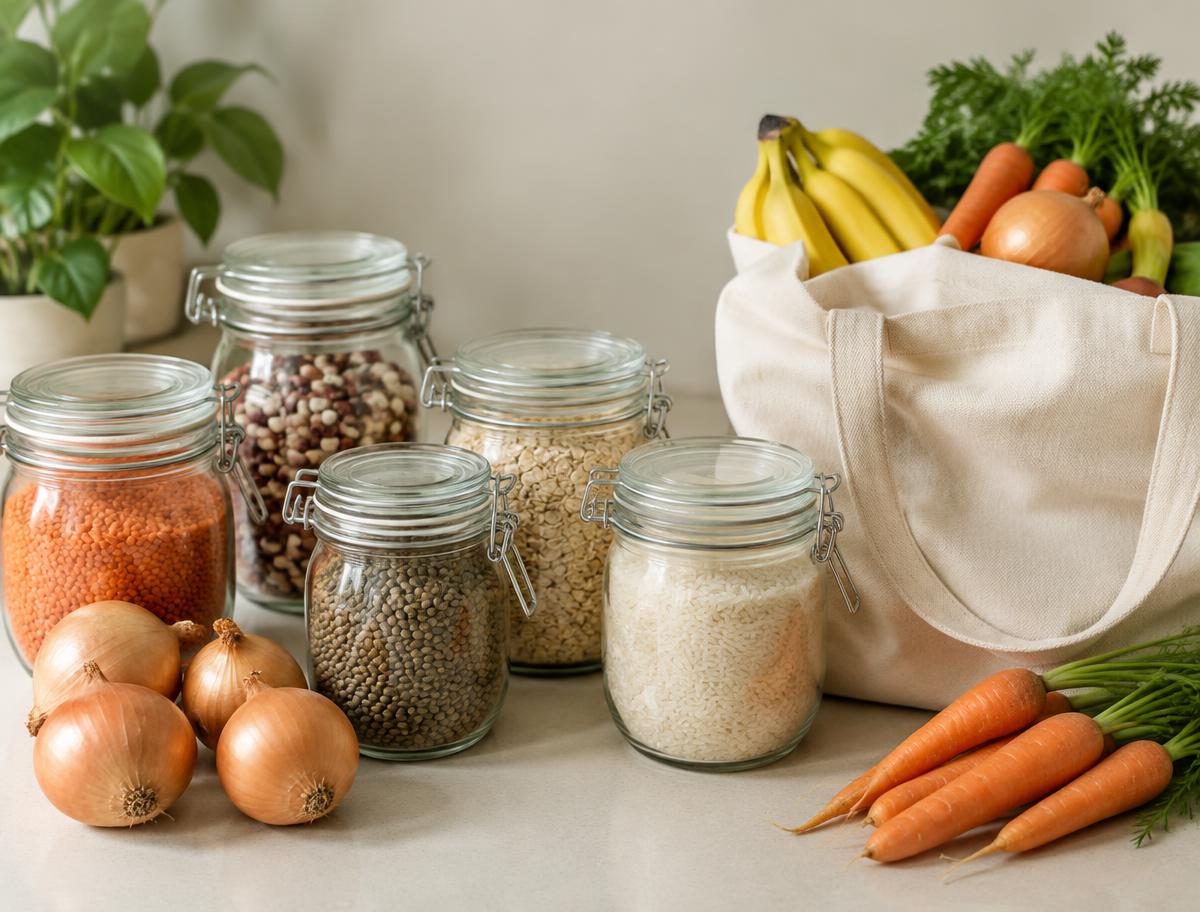
The Ultimate Vegan Pantry Staples List for Beginners
Stock a vegan pantry without overspending: a beginner staples checklist, easy meal combinations, storage tips and ingredients worth skipping.
· 7 min read
How to Eat Vegan on a Budget
A practical guide to affordable vegan meals: compare grocery prices, use beans and frozen vegetables, plan leftovers and waste less food.
· 7 min read
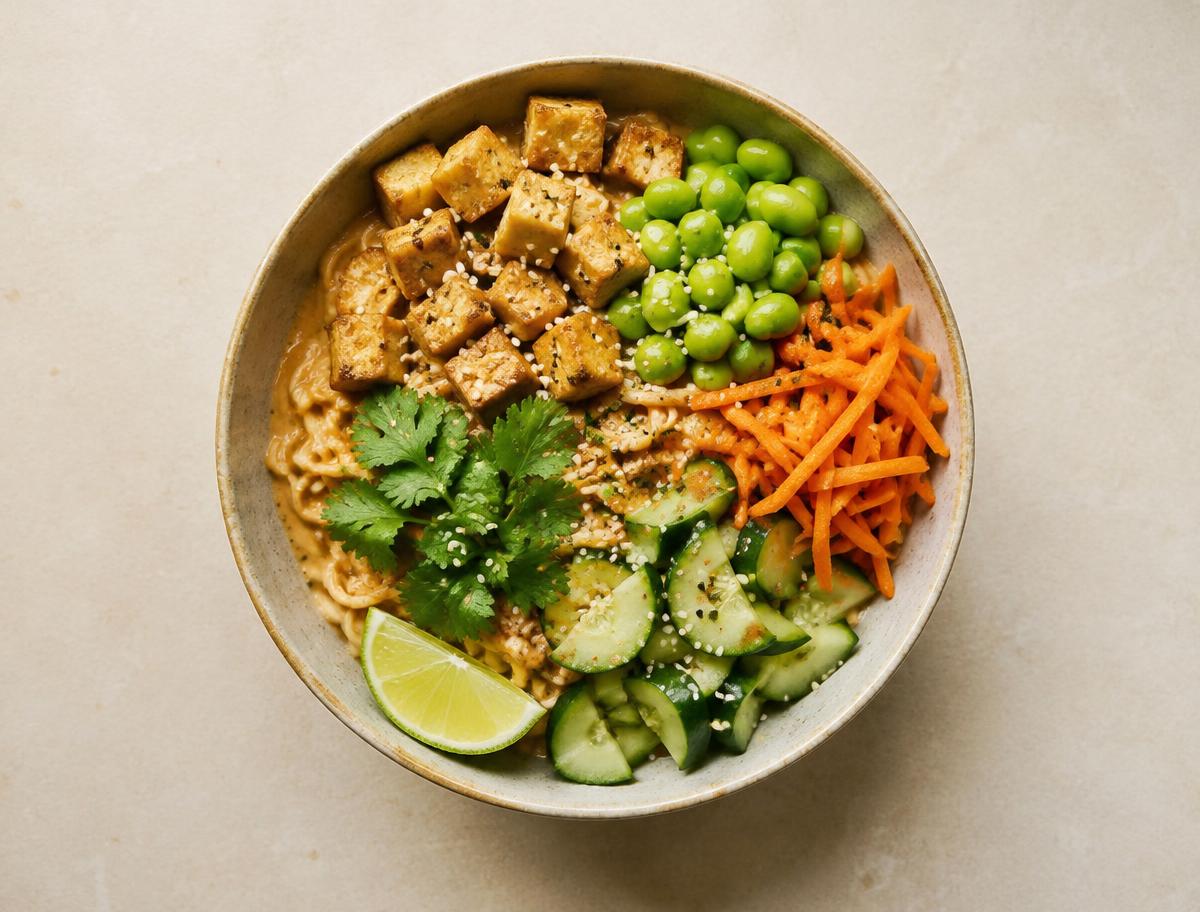
5 Easy Vegan Lunches for Beginners
Five beginner-friendly vegan lunches with ingredients, simple steps, practical swaps and packing tips: wraps, bean bowls, noodles, lentil salad and potatoes.
· 8 min read
Newsletter
Fresh Ideas, Straight to Your Inbox
Get new recipes, simple meal plans, and practical plant-based tips delivered to your inbox.