The Ultimate Vegan Pantry Staples List for Beginners
By The Plated Plants Team · · 7 min read
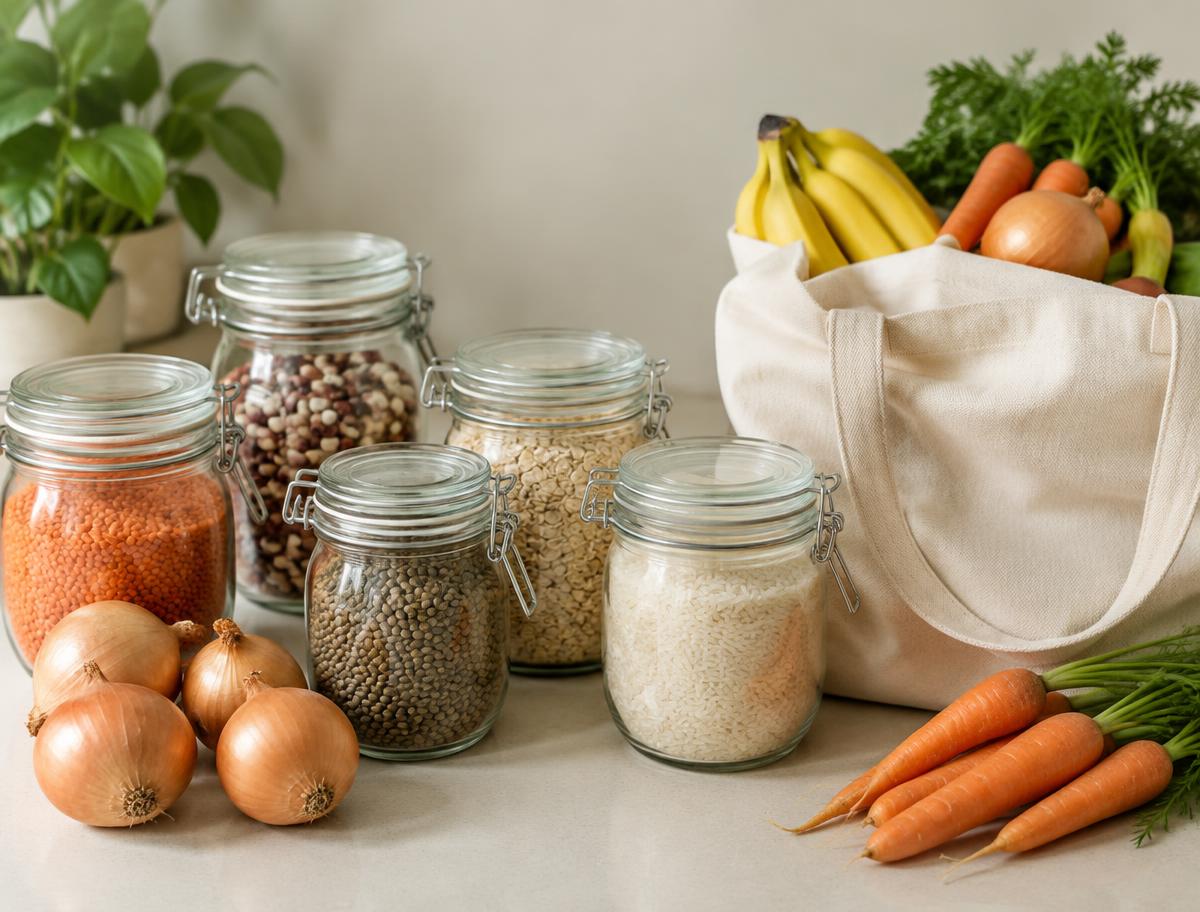
The most useful vegan pantry is not the one with the most jars. It is the one that helps you make dinner with what you already have. Start with a few grains, beans, vegetables and flavor builders that you genuinely enjoy, then add ingredients as your cooking habits grow. This vegan pantry staples list separates everyday essentials from optional extras, so you can build a practical kitchen without buying an expensive collection of specialty products.
Start with this small vegan pantry checklist
If you are stocking a kitchen from scratch, buy ingredients for three meals rather than everything on this page. A starter basket of oats, rice, lentils, chickpeas, canned tomatoes, peanut butter and a few seasonings can become breakfasts, curries, bowls and soups. Add frozen vegetables and a plant milk you like, and you have plenty of combinations.
Before shopping, check your cupboards. Ordinary pasta, rice, canned beans and many familiar spices may already be vegan. Read labels on flavored foods, sauces and stocks; ingredients such as milk powder, egg, honey and fish sauce can appear where you do not expect them.
- One breakfast base: rolled oats
- Two meal bases: rice and pasta
- Two legumes: red lentils and canned chickpeas or beans
- One cooking base: canned tomatoes
- One spread: peanut butter or a seed butter
- Flavor basics: oil, vinegar, salt, pepper, cumin and curry powder
- Useful additions: vegetable stock, frozen vegetables and fortified plant milk
Grains and starches: the foundation of easy meals
Rolled oats work for overnight oats, warm porridge and simple oat-based baking. Rice is useful for curries, bean bowls and stir-fries; pasta is a convenient base for tomato sauces and lentil bolognese. Choose wholegrain versions when you enjoy them, but do not let an unfamiliar texture stop you from cooking at home.
You do not need rice, quinoa, couscous, bulgur and several noodle varieties at once. Keep two or three bases you actually use. Potatoes and bread can also support inexpensive meals, although they belong in your regular fresh-food shopping rather than a long-term dry pantry. Check bread and pasta labels if they contain added dairy or egg.
Beans, lentils and other plant-based proteins
Keep canned chickpeas or beans for quick meals and dried lentils for flexible one-pot cooking. Red lentils soften and break down into soups and dal; green or brown lentils hold their shape better in salads and sauces. Rinse canned legumes in a colander and follow package directions when cooking dried ones.
Dried legumes are usually less expensive than canned versions according to Canada’s Food Guide, but the best choice also depends on time, cooking facilities and waste. Canned beans are useful if they help you make a meal instead of ordering takeout. Compare drained weights and the amount you will realistically use, not just the ticket price.
Tofu, tempeh and edamame are useful companions to pantry staples, but most need refrigeration or freezing. Avoid treating them like shelf-stable dry goods unless the unopened package explicitly says otherwise. Dried kidney beans need proper soaking and vigorous boiling according to their package instructions; do not cook raw kidney beans only in a slow cooker.
Cans, jars and cartons that make dinner easier
Canned tomatoes, tomato paste and vegetable stock give you the beginnings of a sauce, soup or stew. Coconut milk is useful for a creamy curry, but it is not an essential purchase for every kitchen. A carton of shelf-stable plant milk can be handy for breakfast; refrigerate it after opening as directed.
Keep the ingredients that fit your meals. If you mostly make tacos, canned black beans and salsa may earn a place before coconut milk. If you love tomato pasta, prioritize tomatoes and a bean you can add to the sauce. Buying in response to actual meals keeps the cupboard useful rather than crowded.
Try a chickpea and spinach curry made with pantry ingredients
Flavor builders: small purchases, lots of possibilities
A little acid, salt, spice and fat can turn plain beans or grains into a meal you want to repeat. Start with a neutral cooking oil or olive oil, vinegar, soy sauce, and a few spices. Cumin and smoked paprika suit beans and tacos; curry powder is an easy starting point for a lentil soup or chickpea curry.
Peanut butter can become a sauce when whisked with soy sauce, lime juice and water. Tahini works well with lemon and water, but you can skip it if you already have another spread. Nutritional yeast is an optional savory seasoning, not a required vegan food. Only products whose labels specifically state B12 fortification should be considered a B12 source.
- Peanut sauce: peanut butter + soy sauce + lime + warm water
- Simple dressing: oil + vinegar + mustard, if you have it
- Tomato sauce: canned tomatoes + garlic + herbs
- Quick taco seasoning: cumin + smoked paprika + a little chili
Round out the pantry with fridge and freezer foods
A dry pantry alone is not a complete meal plan. Add vegetables, fruit and suitable protein foods to your regular shopping. Frozen spinach, peas, mixed vegetables and berries are especially useful when you do not have time to shop frequently. Onions, carrots and cabbage can work across many meals, while seasonal produce helps keep things varied.
Think in combinations: rice, beans, vegetables and dressing; pasta, lentils and tomato sauce; or oats, fortified plant milk, fruit and nut butter. You do not need a specialty product for every meal, and protein powder is not a prerequisite for eating vegan.
Pair this pantry checklist with a complete beginner grocery list
Plan for B12 and check fortified food labels
A useful vegan pantry should support nutrition as well as convenience. The NHS identifies vitamin B12 and several other nutrients as needing attention in a vegan diet, and recommends appropriate fortified foods or supplements. Do not assume plant milk, yogurt or nutritional yeast contains B12 simply because it is vegan: read the label.
Calcium, vitamin D, iodine, iron and other nutrients also deserve consideration when planning meals. This list is a shopping guide, not a personalized nutrition prescription. A registered dietitian or other qualified clinician can help you choose a reliable B12 plan and discuss supplements, especially during pregnancy, for children or if you have a medical condition.
Store staples so you actually use them
Keep dry goods sealed in a cool, dry cupboard and use older packages before new ones. Label containers with the ingredient and the original best-before date rather than losing the information when you decant a bag. Transparent containers are useful, but reused clean jars are enough; buying a matching set is optional.
Once cooked, grains and legumes are perishable. Refrigerate them promptly in shallow containers rather than leaving a large pot on the counter to cool all evening. USDA guidance says to refrigerate perishable foods within two hours, or within one hour above 90°F/32°C. Freeze extra portions if you will not eat them within a few days, and follow local food-safety advice and package directions.
What can you skip when you are starting?
Specialty meat substitutes, expensive powders, several alternative flours and a shelf full of superfoods are not necessary to begin. They may be enjoyable later, but they should solve a real need rather than make vegan cooking feel like a shopping project.
Pick two or three meals you want to cook this week. Check which ingredients overlap, buy only what is missing, and keep a short running list as staples run out. A pantry becomes useful through repetition, not through buying everything in one trip.
You might also like
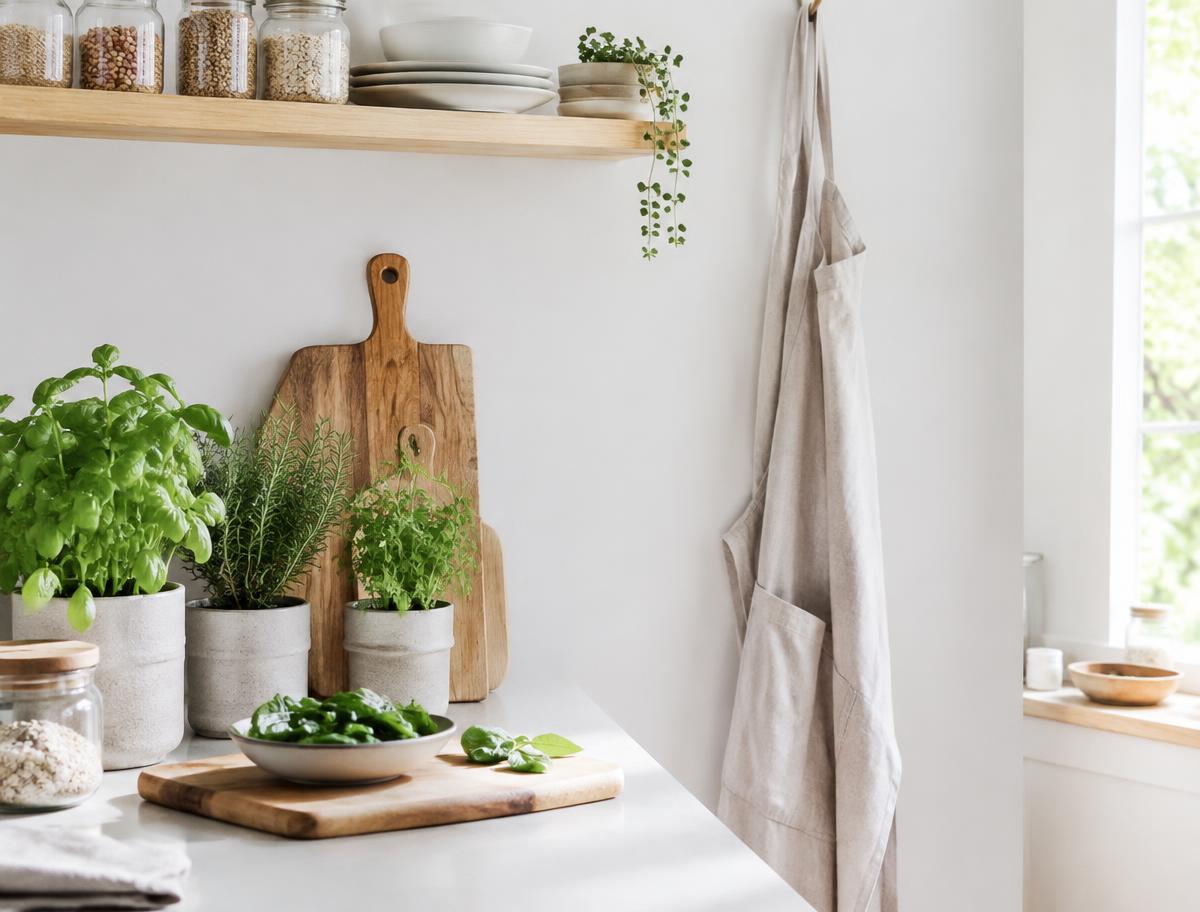
Vegan Meal Prep for Beginners
A relaxed, one-hour approach to prepping plant-based meals for the week ahead.
· 3 min read
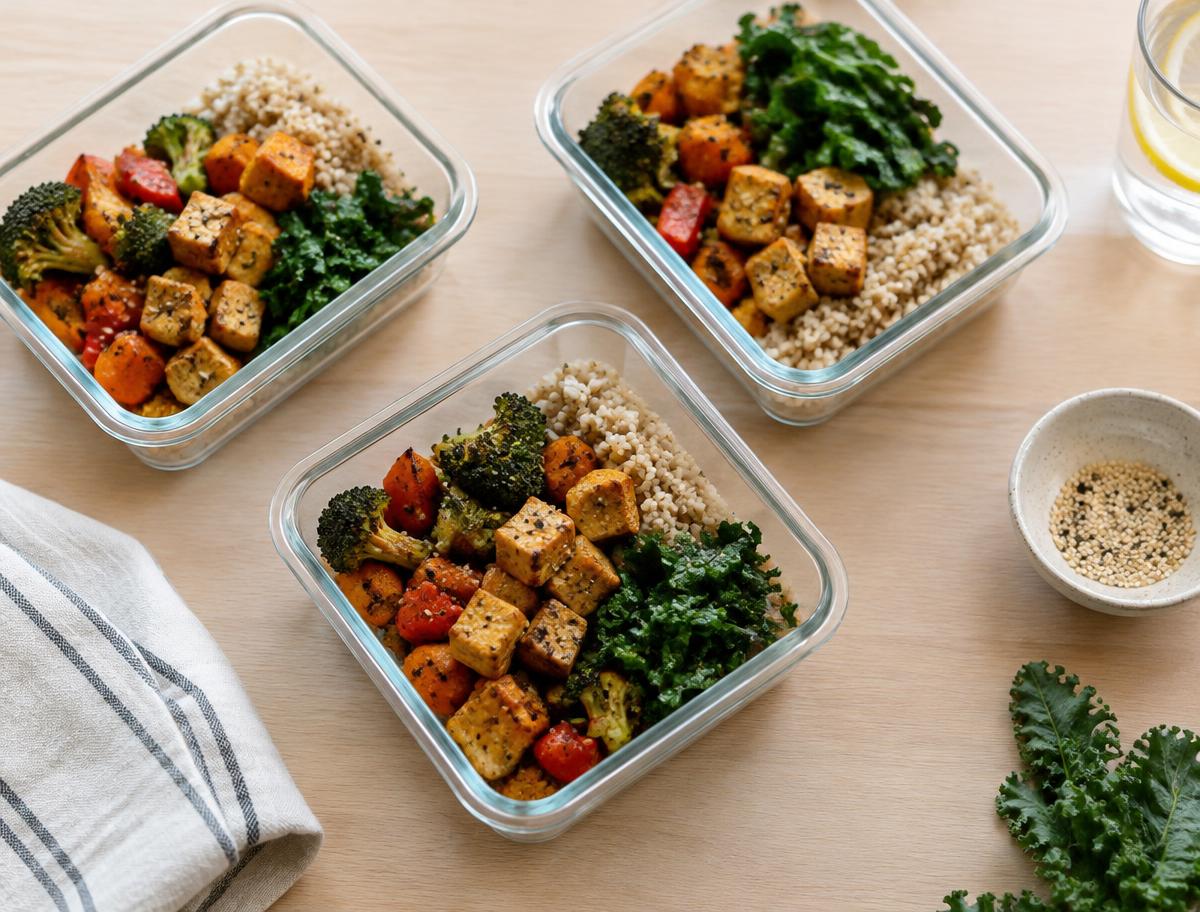
How to Eat Vegan on a Budget
A practical guide to affordable vegan meals: compare grocery prices, use beans and frozen vegetables, plan leftovers and waste less food.
· 7 min read
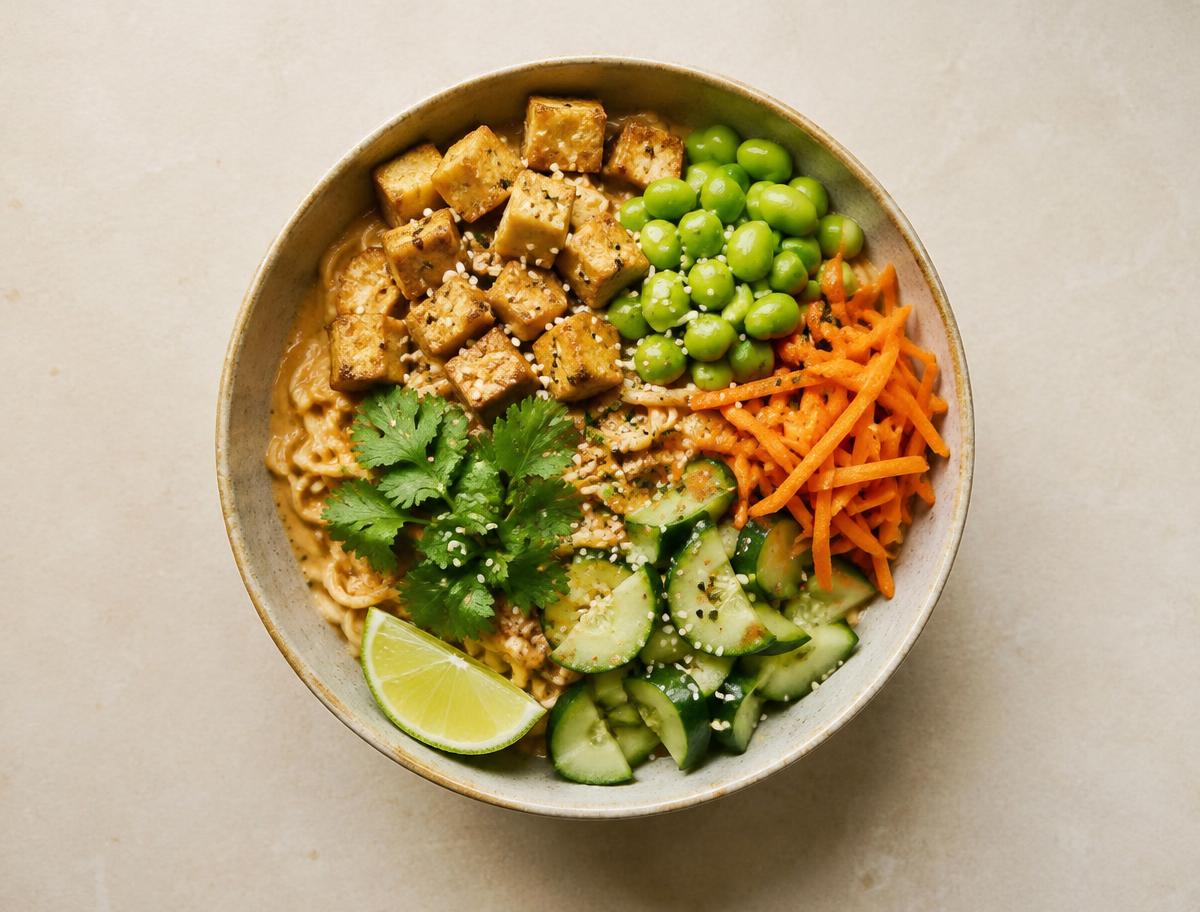
5 Easy Vegan Lunches for Beginners
Five beginner-friendly vegan lunches with ingredients, simple steps, practical swaps and packing tips: wraps, bean bowls, noodles, lentil salad and potatoes.
· 8 min read
Newsletter
Fresh Ideas, Straight to Your Inbox
Get new recipes, simple meal plans, and practical plant-based tips delivered to your inbox.