5 Easy Vegan Lunches for Beginners
By The Plated Plants Team · · 8 min read
An easy vegan lunch does not need a long recipe or an expensive meat substitute. Start with a familiar base, add beans, lentils or tofu, and finish with vegetables and a sauce you enjoy. These five lunches include suggested quantities for one person, flexible swaps and clear assembly steps. Adjust portions to your appetite; preparation times are estimates and depend on whether ingredients are already cooked. The ideas are kitchen starting points, not claims of tested nutrition values.
Before you start: make lunch easy to repeat
Keep one ready-to-use protein food, one base and one vegetable available. A can of chickpeas, a packet of wraps and a carrot already give you options. Leftover grains make bowls convenient, but they need prompt refrigeration and safe storage just like other cooked foods.
Each lunch below uses a short ingredient list and can be scaled by repeating the quantities. Read sauce and wrap labels for animal-derived ingredients and check allergens. Peanut, soy, sesame and wheat appear in several suggestions; the swaps help with variety but do not guarantee an allergen-free kitchen.
1. Smashed chickpea salad wrap
Allow about 10 minutes when using canned chickpeas. For one lunch, use about ¾ cup drained chickpeas, one large wrap, a small handful of shredded carrot or cabbage, and a handful of washed greens. For the dressing, start with one tablespoon vegan mayonnaise or tahini, a squeeze of lemon, and pepper.
Mash the chickpeas with a fork until roughly broken up rather than completely smooth. Stir in the dressing, add a little water if using tahini, and taste before adding salt. Fold in the carrot or cabbage, place the greens on the wrap, add the filling and roll tightly.
Swap the wrap for bread or serve the filling with crackers and chopped vegetables. Mustard, diced pickles or a little chopped onion can add flavor if you already have them. If packing ahead, keep the filling separate from the wrap until lunch or use a layer of dry greens to help limit sogginess.
- Base: 1 large vegan wrap or 2 slices of bread
- Filling: ¾ cup drained chickpeas + a handful of shredded vegetables
- Dressing: 1 tablespoon vegan mayonnaise or tahini + lemon
- Swap: white beans instead of chickpeas
2. Black bean rice bowl
Allow about 10 minutes if the rice is already cooked; otherwise add the time on its package. For one lunch, combine about ¾ cup cooked rice with ¾ cup drained black beans, a handful of cabbage or chopped pepper, and two tablespoons salsa. Add lime or a small spoonful of olive oil if you like.
Heat the rice and beans thoroughly if serving warm, then top with vegetables and salsa. Alternatively, use safely refrigerated rice and beans in a cold bowl, keeping everything chilled until eating. Corn, leftover roasted vegetables or sliced avocado are optional additions, not required purchases.
Change the flavor with cumin or smoked paprika, or use a different cooked grain. If you do not have rice, put the same beans and toppings in a tortilla. Store any extra avocado with a little lemon or lime and use it promptly; the rest of the bowl works well without it.
- Base: ¾ cup cooked rice
- Protein food: ¾ cup drained black beans
- Vegetables: a handful of cabbage, pepper or cooked corn
- Finish: 2 tablespoons salsa + lime if available
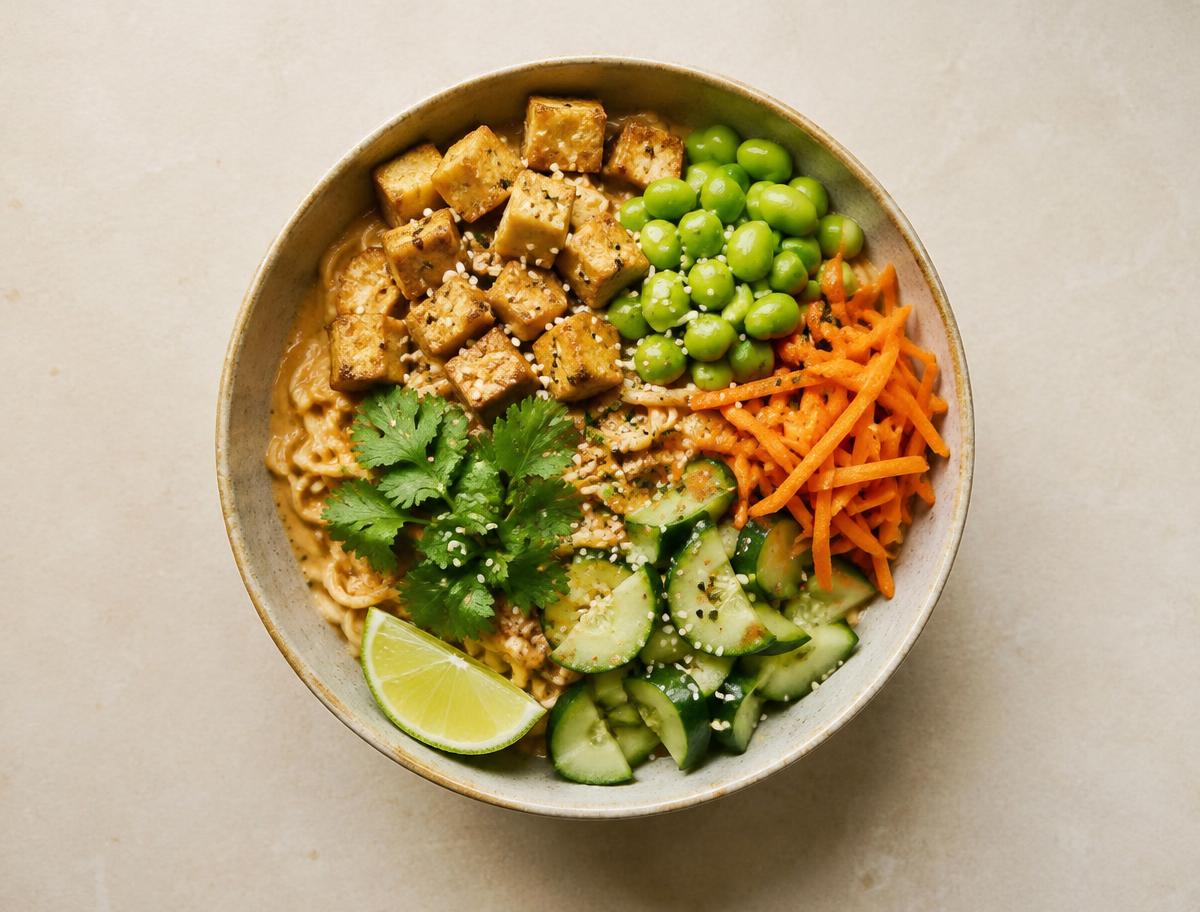
3. Peanut tofu noodle bowl
Allow roughly 20–25 minutes, depending on the noodle cooking time and how you prepare the tofu. For one lunch, start with about 75–100 grams dry noodles, 100–150 grams firm tofu, a small carrot and a handful of cucumber or other vegetables. Whisk one tablespoon peanut butter with a teaspoon soy sauce, a squeeze of lime and enough warm water to make a pourable sauce.
Cook the noodles according to their package. Pat the tofu dry, cut into cubes and pan-fry in a little oil until golden, turning occasionally. Toss the cooked noodles with the sauce and vegetables, then add the tofu. Loosen the sauce with water if it becomes thick rather than adding more oil.
For a no-frying version, use ready-to-eat tofu if its package says it is suitable, or use cooked edamame prepared according to its instructions. Sunflower seed butter can replace peanut butter, though labels and cross-contact still matter for allergies. Use verified gluten-free noodles and sauces if you need a gluten-free meal.
4. Lemon lentil and vegetable salad
Allow about 10 minutes with cooked or canned lentils; add the package cooking time when starting from dry. For one lunch, use about ¾ cup cooked green or brown lentils, a cup of chopped cucumber, tomato or roasted vegetables, and a small handful of herbs if available. Add bread or a cooked grain alongside if you want a larger meal.
Rinse and drain canned lentils, or cool home-cooked lentils promptly before refrigerating. Whisk a tablespoon of olive oil with lemon juice, a little mustard if you like, and pepper. Toss with the lentils and vegetables, then adjust the acidity to taste.
Choose green or brown lentils for a salad because they hold their shape better than red lentils. Chickpeas also work. Roasted carrots make a useful alternative when tomatoes or cucumbers are expensive, and the salad does not depend on fresh herbs or a specialty cheese substitute.
- Protein food: ¾ cup cooked green or brown lentils
- Vegetables: about 1 cup chopped fresh or roasted vegetables
- Dressing: olive oil + lemon juice + optional mustard
- Serve with: bread or a cooked grain to suit your appetite
5. Loaded potato with beans and greens
Allow approximately 10–15 minutes with a microwave, depending on the potato size and appliance; an oven takes longer. Scrub one medium-to-large potato, prick it with a fork and cook using your appliance’s instructions until tender throughout. Do not put foil in a microwave.
Warm about ¾ cup drained beans with a little salsa or chopped canned tomatoes. Add a handful of frozen spinach or other vegetables and heat according to the vegetable package guidance. Split the potato, spoon over the hot filling and finish with pepper, lemon or a spoonful of plant yogurt if you like.
Swap a white potato for a sweet potato, or use leftover chili as the filling. Baked beans can work too, but check the label for animal ingredients. This is a useful end-of-week lunch because small amounts of cooked vegetables can go into the topping instead of being discarded.
A short shopping list for these lunches
You do not need to make all five lunches in the same week. Choose two with overlapping ingredients first. Chickpea wraps and lentil salad share lemon and chopped vegetables; a rice bowl and loaded potato can share beans and salsa. Buy quantities that suit the number of lunches you actually need.
- Legumes: chickpeas, black beans and green or brown lentils
- Bases: wraps or bread, rice, noodles and potatoes
- Fridge foods: firm tofu, carrots, cabbage or cucumber
- Flavor: peanut butter, soy sauce, lemon or lime and salsa
- Optional extras: herbs, vegan mayonnaise or suitable plant yogurt
Use our broader vegan grocery list when planning a full week
How to pack vegan lunches safely
Cooked grains, beans, tofu and prepared salads are not shelf-stable just because they contain no meat. Refrigerate perishable food within two hours, or within one hour above 90°F/32°C, as USDA guidance advises. Divide hot batches into shallow containers for quicker cooling and keep the refrigerator at a safe temperature.
Use an insulated lunch bag with cold packs when a refrigerator is not available, and keep chilled foods cold until eating. Many cooked leftovers are best planned within a three-to-four-day refrigerated window; freeze extra portions for later rather than storing a whole week in the fridge. Follow any shorter package directions. If a meal has sat warm for too long, smelling it is not a reliable safety test.
Pack dressings separately when you want vegetables and wraps to stay crisp. Keep a spoon or fork with the lunch, and do a quick check in the morning: chilled food, cold packs, sauce and utensils. A simple lunch is easier to repeat when the packing routine is simple too.
What if lunch still leaves you hungry?
Adjust the meal rather than judging yourself for needing more food. Add more beans, tofu or lentils, increase the grain or bread portion, or include fruit and a spread you enjoy. Appetite varies with activity, schedule and individual needs; the suggested quantities are not a daily nutrition prescription.
For longer-term vegan meal planning, remember a reliable B12 source and other nutrients that require attention. A qualified dietitian can give individualized guidance. Start with the lunch you find most appealing, repeat it once, and change one ingredient next time to build confidence without creating more work.
You might also like
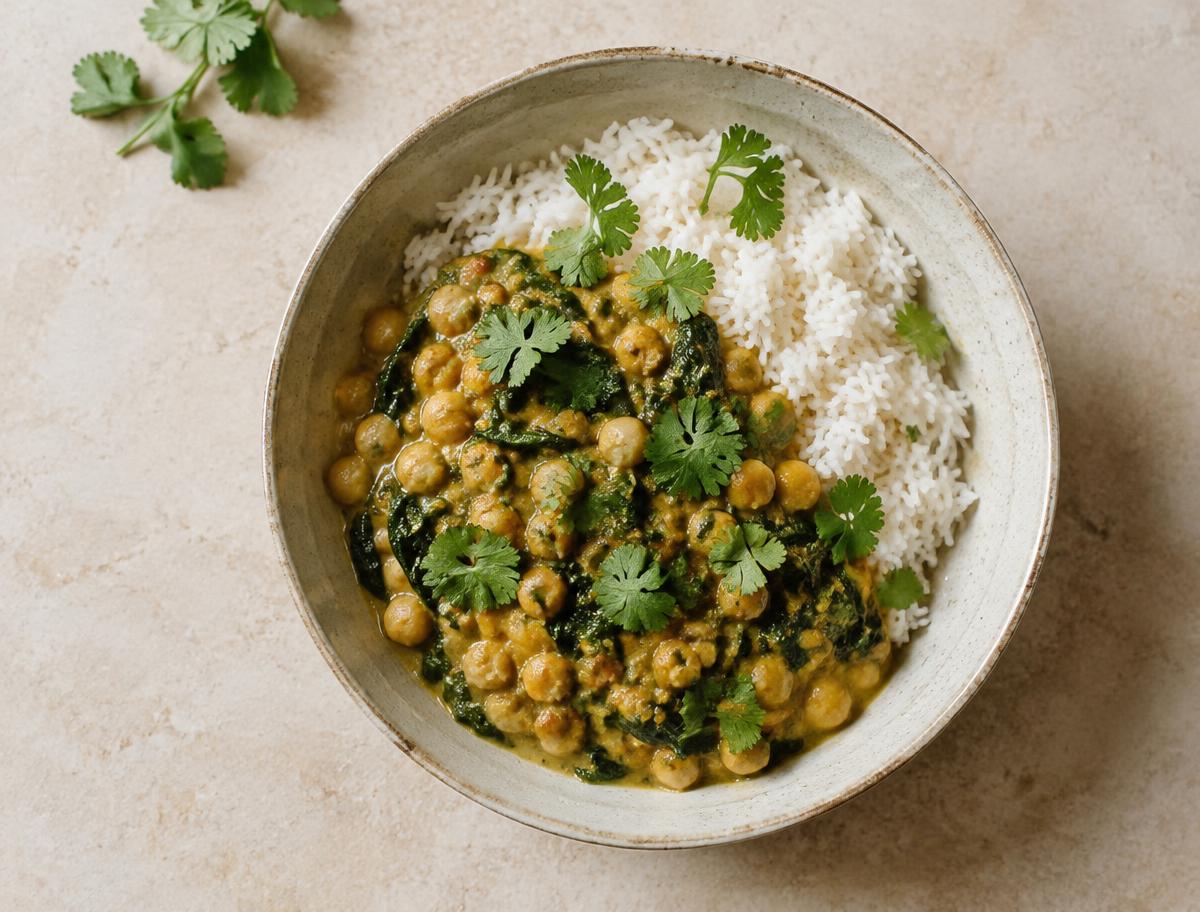
Chickpea & Spinach Coconut Curry
A cozy, creamy curry made with pantry staples in about 30 minutes.
· 5 min read
15 Easy Vegan Dinners for Beginners
Fifteen weeknight-friendly plant-based dinners built on pantry staples, with no fancy equipment required.
· 4 min read
Peanut Noodle Bowls with Crispy Tofu
Silky peanut sauce, crunchy vegetables and golden tofu — a lunchbox favorite.
· 5 min read
Newsletter
Fresh Ideas, Straight to Your Inbox
Get new recipes, simple meal plans, and practical plant-based tips delivered to your inbox.