How to Eat Vegan on a Budget
By The Plated Plants Team · · 7 min read
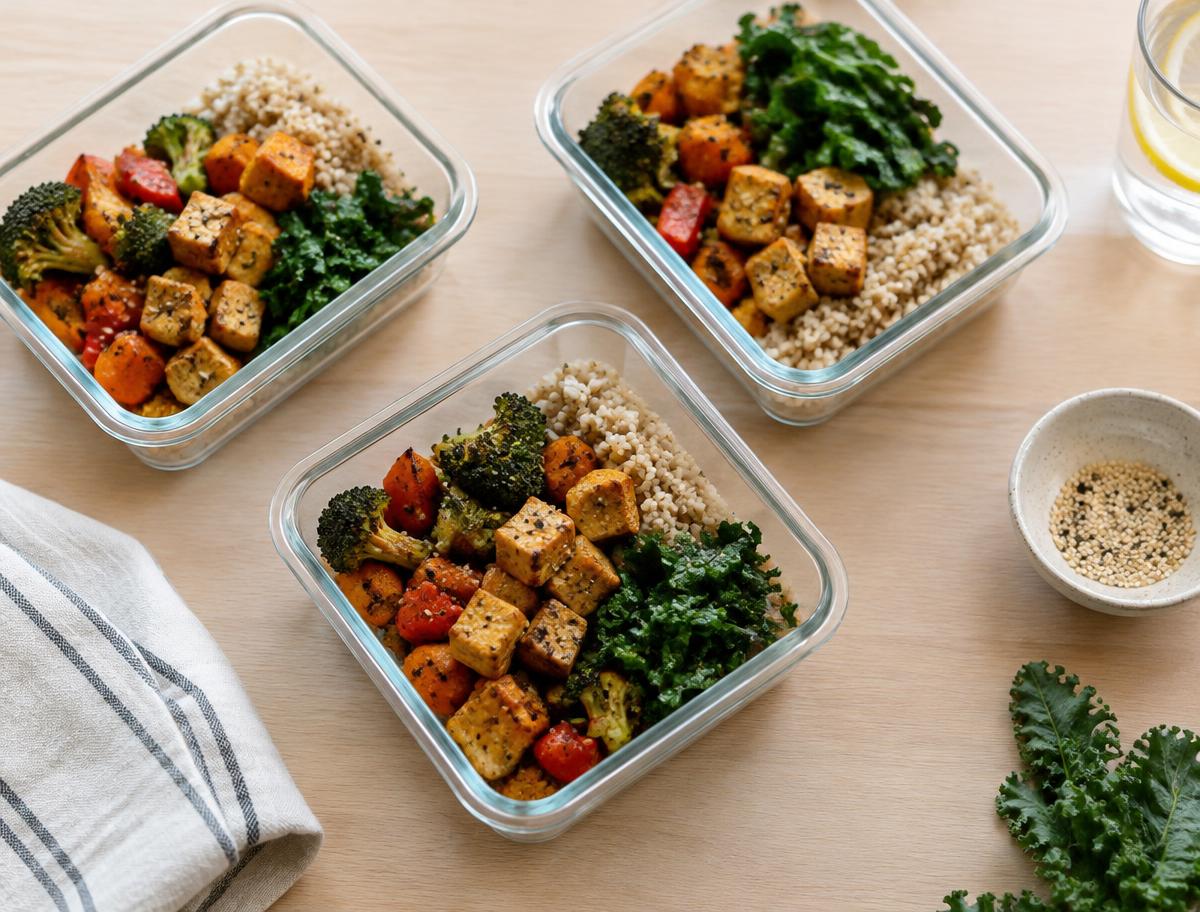
Eating vegan on a budget starts with everyday foods rather than a fridge full of specialty substitutes. Oats, beans, lentils, rice, pasta, potatoes and vegetables can form the core of a flexible meal plan. The goal is not to promise a universal grocery total: prices, portion sizes, cooking equipment and local availability differ. Instead, use the habits below to spend more deliberately and turn what you buy into meals you actually eat.
Begin with your real grocery budget
Look at what you normally spend on food, including takeout and ingredients you throw away. Decide which part you want to change first. A realistic plan that makes four dinners at home can be more useful than a strict seven-day plan you abandon by Wednesday.
Check your pantry, fridge and freezer before making a list. Write down food that needs using soon and choose meals around it. Half a cabbage can become taco slaw and a stir-fry; a bag of lentils can become soup and pasta sauce. Start with the ingredients you already paid for.
Make beans and lentils your everyday starting point
Beans, chickpeas and lentils are versatile plant-based protein foods. Use them in curries, soups, tacos, pasta sauce and salads. Canada’s Food Guide notes that dried legumes are usually less expensive than canned ones, but canned legumes can still be a sensible choice when you are short on time or only need a small amount.
Compare like with like. For dried beans, consider the cooked amount and the time and energy needed to prepare them. For canned beans, compare drained weights. If a large batch suits your routine, cook it properly and freeze extra portions; if you repeatedly waste leftovers, buy a smaller package. Follow package instructions, particularly for dried kidney beans, which need proper soaking and boiling.
Compare unit prices, not just the shelf sticker
A bigger packet is not automatically a better deal. Compare the price per 100 grams, kilogram or other matching unit shown on the shelf label. For example, divide the price by the package weight and multiply by 100 to compare price per 100 grams. Use the same unit for both options.
Then ask whether you can use and store the quantity. A cheaper large bag becomes expensive if it goes stale or crowds out food you need. Store brands may be worth trying, but compare ingredients and prices rather than assuming every own-brand item is cheapest. Keep a small note of the usual prices of your most-used staples to recognize a genuine sale.
- Compare the same product form: dry with dry, drained canned weight with drained canned weight
- Check whether a multi-buy requires more than you need
- Avoid paying for a flavor or packaging you will not use
- Buy a smaller amount when trying an unfamiliar food
Choose fresh or frozen based on use, not a rule
Frozen vegetables can help you use exactly what you need without racing to finish a whole bag of fresh produce. Peas, spinach and mixed vegetables suit rice bowls, soups and curries. Fresh carrots, onions and cabbage are useful across several meals and may be economical where you shop.
Compare local prices and choose produce you enjoy. There is no need to buy organic food to start eating vegan, and a vegetable that is affordable and eaten is more useful than an aspirational purchase that spoils. Keep one quick freezer meal available for nights when your original plan falls through.
Plan three dinners with overlapping ingredients
Choose three dinners and deliberately share ingredients between them. One practical combination is chickpea curry, lentil tomato pasta and black bean tacos. Rice can accompany the curry and become a taco bowl base; onions and canned tomatoes can support more than one dinner.
Do not buy a separate set of ingredients for every meal. Repeat a breakfast you like, make lunch from dinner components, and choose a different sauce or topping when you want variety. Add fruit, vegetables and suitable fortified foods to round out the week rather than relying only on starches.
- Dinner 1: chickpeas + tomatoes + spinach + rice
- Dinner 2: lentils + tomatoes + pasta + vegetables
- Dinner 3: black beans + tortillas or rice + cabbage + salsa
- Lunch option: leftover components with a fresh topping
Turn leftovers into a planned meal
Give leftovers a destination before you cook. Extra lentils can become a pasta sauce; roasted vegetables can go into a wrap; a spare serving of curry can become lunch. Keep toppings and wet dressings separate when they would make bread or vegetables soggy.
Label refrigerated and frozen portions with what they are and when they were cooked. Refrigerate perishable food within two hours, or within one hour when the temperature is above 90°F/32°C, following USDA guidance. Plan a second prep session midweek rather than keeping an entire week of cooked food in the fridge. Use a conservative three-to-four-day window for many cooked leftovers and freeze portions intended for later.
Use convenience products deliberately
Plant-based burgers, ready meals and dairy alternatives can be enjoyable and helpful. They do not need to disappear from your budget; simply decide which ones save enough time or add enough enjoyment to justify their cost. Compare them with a meal you would realistically make, not with an idealized version of cooking from scratch.
If you love a prepared sauce, use it with inexpensive beans and vegetables. If a frozen meal prevents an unplanned takeout order, it may have a useful role. Avoid buying several new substitutes at once, because tastes vary and trial purchases can quickly add up.
Keep nutrition in the plan
Spending less should not mean ignoring important nutrients. Choose a reliable vitamin B12 source through appropriately fortified foods or supplements, and consider calcium, vitamin D, iodine and other needs when planning a vegan diet. Check plant-milk labels: products differ in fortification and protein content.
There is no need to buy a protein powder just because you are vegan. Everyday foods such as beans, lentils, tofu and suitable plant milks can be part of your meals. For personalized requirements or supplement decisions, speak with a registered dietitian or qualified clinician.
Budget vegan meals for limited equipment
With one saucepan, try red lentil soup, a chickpea tomato stew or pasta with beans and frozen vegetables. Use package cooking directions and choose meals that do not need several simultaneous cooking steps. With a microwave and suitable containers, a baked potato topped with heated beans and vegetables can be a useful meal.
If cooking access is very limited, build lunches around ready-to-eat canned legumes, bread or wraps, washed vegetables and a simple dressing, while following storage guidance. The cheapest plan is not always the one with the most scratch cooking; access, energy and time matter too.
Your next shop: a simple reset
Pick three dinners, one repeatable breakfast and two easy lunches. List what you already have, then buy only the gaps. Choose one budget habit to test this week: comparing unit prices, using a freezer vegetable, or planning a leftover lunch.
After the week, notice what went uneaten and adjust. A useful budget is a feedback loop, not a test of willpower. Keep the meals you enjoyed, replace the ones you avoided, and let your grocery list get simpler over time.
You might also like
A 7-Day Budget Vegan Meal Plan
One week of simple plant-based meals designed around overlapping ingredients so nothing goes to waste.
· 4 min read
Vegan Grocery List for Beginners
A calm, practical shopping list to stock a plant-based kitchen without overspending.
· 3 min read
The Ultimate Vegan Pantry Staples List for Beginners
Stock a vegan pantry without overspending: a beginner staples checklist, easy meal combinations, storage tips and ingredients worth skipping.
· 7 min read
Newsletter
Fresh Ideas, Straight to Your Inbox
Get new recipes, simple meal plans, and practical plant-based tips delivered to your inbox.